Run Smarter Manufacturing On a Unified Platform
When your systems stall, production doesn’t wait, it bleeds margin. We unify production, inventory, and finance so you can see what’s happening now and fix problems before they turn into delays. No more guessing. No more chasing spreadsheets.

Proven Results. Trusted Expertise.
We deliver measurable impact for our manufacturing customers through innovative technology solutions.
Smarter Furnishings
Learn how we seamlessly integrated Dynamics 365 CRM & Business Central to streamline the quoting process
Pacific Packaging Components
Explore how we cut real waste and complexity with Dynamics 365 Business Central
Huish Outdoors
Find out how we created a best-in-breed cloud security solution with Microsoft 365 & Azure Security
Challenges We Help Manufacturers Overcome
Disconnected systems across production, inventory, and logistics
Unify production + inventory + finance
WIP + costing + variances are a black box
See your true production performance in real time
Unpredictable supply and weak demand forecasting
Forecast demand with accuracy you can trust
Inventory levels you can’t trust
Stabilize Inventory levels and prevent stockouts
Margin leakage and a slow financial close
Tighten margins and accelerate month-end close
Hard-to-track production costs, scrap, and rework
Gain visibility into costs and reduce scrap + rework
Manual scheduling, work orders, and approvals
Automate scheduling and workflows to eliminate manual tasks
Slow or unclear path to AI adoption
Adopt AI confidently and accelerate decision making
Security gaps between OT and IT systems
Protect OT + IT environments with unified security
For manufacturers operating in highly regulated environments, those same operational challenges become even more complex, making specialized systems, processes, and compliance support essential.
See ERP Modernization Built for Real Production Workflows
How We Help
Manufacturing looks different in every shop: discrete lines, process flows, make‑to‑order jobs, and mixed‑mode environments. JourneyTeam helps manufacturers of all types modernize operations with integrated Microsoft solutions that unify data, streamline workflows, and remove manual effort at every stage of the value chain. Through our proven, outcome‑driven process, Microsoft ecosystem expertise, and a clear, human approach to working together, you get connected systems that eliminate disorder and deliver real operational clarity.
Benefit: A single, real-time view of inventory, WIP, and production status so every team works from the same numbers and decisions happen faster.
What we deliver:
- Real‑time inventory accuracy across locations, bins, lots, and serials
- End‑to‑end WIP and production order visibility
- Integrated sales, purchasing, and production data
- Role‑based dashboards that surface exceptions immediately
Why it makes a difference: Shared, real-time data eliminates guesswork, speeds decisions, and reduces surprises. Planners, ops, and finance all work from the same truth, improving schedule adherence and reducing last‑minute fire drills. You manage today’s reality instead of reacting to yesterday’s problems.
What you can stop doing: Spreadsheet tracking, manual inventory reconciliations
How success is measured:
- Inventory turns
- Schedule adherence
- OTIF (On‑Time, In‑Full)
Benefit: Plan materials and production based on real demand and capacity – while reducing manual work with built‑in automation and AI.
What we deliver:
- Demand forecasting and capacity planning aligned to real conditions
- Precise available‑to‑promise (ATP) commitments
- Workflow automation using Copilot + Power Automate
Why it makes a difference: Teams move from firefighting to proactive planning. Materials stabilize, service levels rise, and the planning cycle runs with fewer manual touches, so people spend more time optimizing and less time updating spreadsheets.
What you can stop doing: Manual MRP runs, offline planning sheets, email‑driven approvals
How success is measured:
- Order fill rate
- Cycle time
- Planner workload reduction (% automated)
Benefit: Run production on a modern system, not spreadsheets so labor, materials, and output are captured accurately the first time.
What we deliver:
- Multi-level BOMs and routings
- Defined work centers and capacity settings
- Real‑time shop floor reporting for consumption, labor, and output
- Subcontracting and outside processing workflows
Why it makes a difference: Standardized, real‑time production data reduces rework, improves throughput, and gives you clarity into what’s actually happening on the floor – no more blind spots in labor or material usage.
What you can stop doing: Manual time entry, disconnected shop logs
How success is measured:
- Throughput
- Scrap and rework rate
- Actual vs. standard labor usage
Benefit: See true product costs and variances in real time so margin decisions are based on fact and not estimates.
What we deliver:
- Accurate costing methods for manufacturing
- Automated variance analysis
- Real‑time WIP accounting
- Financials unified with production
Why it makes a difference: You don’t wait until month‑end to understand margin risks. Variances surface earlier, inefficiencies are easier to fix, and pricing is more confident and data‑driven.
What you can stop doing: Manual cost reconciliations, offline variance tracking
How success is measured:
- Standard vs. actual cost variance
- Gross margin by product
- WIP valuation accuracy
Benefit: Get full traceability across purchasing, production, and sales so audits, quality checks, and recalls are controlled, not chaotic.
What we deliver:
- Lot and serial tracking
- Quality and receiving workflows
- Complete audit trails across transactions
- Recall-ready reporting
Why it makes a difference: You instantly know what materials, products, and customers are affected when issues arise, improving customer trust, reducing regulatory risk, and eliminating hours spent chasing paper trails.
What you can stop doing: Binder logs, manual QC records, frantic recall tracing
How success is measured:
- Recall response time
- First‑pass yield
- Defect rate
Benefit: Turn operational, financial, and production data into real, actionable insights with built‑in analytics that help every team make faster, smarter decisions.
What we deliver:
- Unified reporting across inventory, production, quality, and financials
- Pre‑built Power BI dashboards through JourneyTeam Analytics for Business Central for quick time‑to‑value
- Real‑time KPIs surfaced inside Business Central
- Automated variance, performance, and exception visibility
- Data models aligned to manufacturing needs (WIP, cost, throughput, OTIF)
Why it makes a difference:
Manufacturers often have the data – they just can’t use it. By pairing Business Central’s native analytics with SmartStart’s ready‑to‑launch reporting foundation, your teams get instant clarity into performance, bottlenecks, and margin drivers.
What you can stop doing:
Spreadsheet‑built reports, manual KPI tracking, ad‑hoc data pulls, reactive analysis
How success is measured:
- Time to insight (days → minutes)
- Yield/first pass quality
- Forecast accuracy based on accurate demand signals
- On‑Time, In‑Full service levels
- Variance detection speed
- Discrete → component/labor variances
- Process → yield and material losses
- Make-to-Order → estimate‑vs‑actual variances
Benefit: Get more value from the tools you already own by orchestrating them into one connected, scalable platform.
What we deliver: Consulting and implementation experience and expertise across the Microsoft cloud, orchestrated in one cohesive platform.
Why it makes a difference: No more tool sprawl, no more multiple vendors, or “shadow systems,” just a streamlined environment that supports your growth.
Explore the JourneyTeam Advantage
Real Customers. Real Impact.
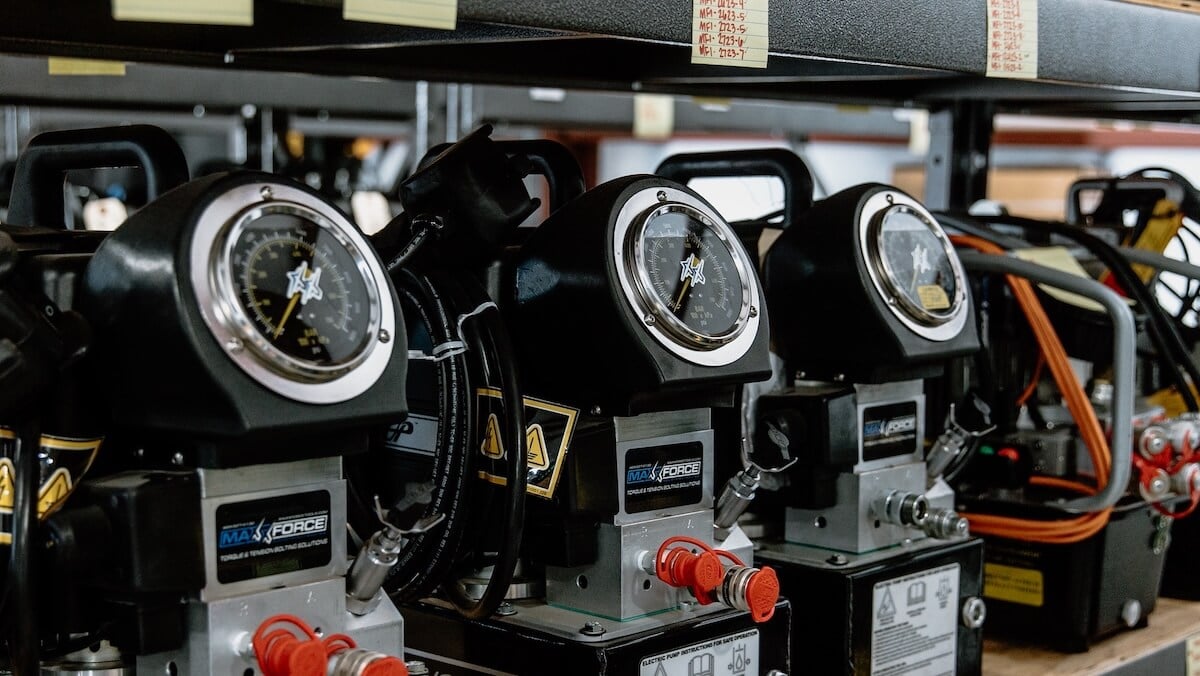
We started simple with Business Central, but I know it can grow with us. As we expand our manufacturing into more complex processes, our ERP will scale with our business. Even months after go-live, I can ping JourneyTeam and always get a quick, helpful response.
Robin Mauldin Controller, MaxxForce Industrial Tooling
Schedule Discovery Call
Fill in the form below, and one of our experts will be in touch!
FAQs
Dynamics 365 Business Central is a strong fit for discrete, process and make-to-order manufacturers who need to replace spreadsheets or legacy ERP systems with a modern, cloud-based platform. It works well for multi-location operations, and companies that need tighter integration between production, inventory, and finance.
Business Central supports multi-level BOMs, routings, production orders, and shop floor tracking. Manufacturers can capture material consumption, labor, and output directly against production orders, track WIP in real time.
Business Central provides open APIs and native Microsoft integration that make it easy to connect MES, WMS, PLM, ecommerce, shipping, or barcode scanning systems. Many manufacturers also use Power Platform and Azure integration services to create low-code connectors, automate workflows, and sync real-time data between shop floor systems and ERP.
A practical manufacturing dashboard should include a mix of operational, financial, and service KPIs like:
- Inventory turns and days on hand
- WIP value and aging
- Production throughput and cycle time
- On-time delivery and order fill rate
- Scrap and rework rates
- Actual vs. standard cost variances
- Gross margin by product or order
These KPIs should be updated in near real time and visible to both operations and finance
You can reduce close time by integrating production, inventory, purchasing, and financials into one ERP system. Business Central automates WIP accounting, inventory valuation, three-way matching, and cost posting so finance doesn’t have to reconcile spreadsheets or re-key data at month end.
Yes. Microsoft Copilot and AI agents can automate routine workflows like sales order entry, vendor invoice matching, and purchase order processing. These automations run inside Microsoft’s secure ecosystem, using your ERP data and role-based permissions so data stays protected.
Modern manufacturing CRM systems integrate directly with ERP platforms like Microsoft Dynamics 365 Business Central to create a unified view of customers, orders, inventory, pricing, and service history. This eliminates disconnected quoting tools, manual order entry, and duplicate records. Sales, operations, and finance work from the same real-time data improving forecast accuracy, production planning, and customer responsiveness.
ERP manages operations (inventory, production, finance). CRM manages relationships (leads, quotes, service cases, account engagement). Manufacturers that rely only on ERP often struggle with pipeline visibility, quote tracking, aftermarket service coordination, and customer communication history.
A connected CRM ensures:
- Accurate demand forecasting
- Faster quote-to-cash cycles
- Improved customer retention
- Better coordination between sales and operations
Yes. Microsoft Dynamics 365 CRM supports service case management, warranty tracking, asset history, and field service scheduling. For manufacturers with service-based revenue models, CRM becomes critical for managing SLAs, preventative maintenance, and customer satisfaction, all tied back to ERP billing and inventory.
Yes. Microsoft Dynamics 365 is built on Microsoft Azure’s enterprise-grade security infrastructure. It includes:
- Role-based access control
- Multi-factor authentication
- Encryption at rest and in transit
- Advanced threat protection
- Audit logging and monitoring
Manufacturers in regulated industries (medical device, defense, food production) rely on Dynamics to meet strict compliance and security requirements.
Microsoft invests billions annually in cybersecurity. Manufacturing organizations benefit from:
- Azure Security Center monitoring
- Microsoft Defender threat detection
- Conditional access policies
- Data loss prevention (DLP) controls
- Continuous vulnerability scanning
Security is embedded at the platform level, not bolted on afterward.
Yes. Dynamics 365 supports granular security roles and field-level permissions. This ensures:
- Shop floor teams see operational data
- Finance sees financial records
- Sales sees customer activity
- Executives see dashboards
Access can be configured by role, department, or even record-level restrictions.
For regulated manufacturers, auditability is critical. Dynamics 365 provides:
- Full transaction traceability
- Change logs and approval workflows
- Electronic document storage
- Role-based access enforcement
- Integration with compliance tools
This helps manufacturers support ISO, FDA, ITAR, and other industry regulations.
With Microsoft’s integrated ecosystem, including Dynamics 365, Power BI, and Microsoft Fabric, manufacturers can centralize data across ERP, CRM, supply chain, and external systems into one governed environment. This eliminates siloed reporting and spreadsheet-driven decision-making.
Manufacturers can access:
- Real-time production dashboards
- Inventory turnover analysis
- Sales forecast vs. capacity reports
- Margin analysis by product line
- Quality and scrap tracking
- On-time delivery metrics
Power BI enables role-based dashboards that surface insights without requiring IT to build every report.
When ERP and CRM share the same database:
- Quotes reflect real inventory
- Forecasts reflect real pipeline
- Financials update automatically
- Duplicate entries are eliminated
Unified systems reduce reconciliation work and improve leadership confidence in reporting.
The best CRM for manufacturing companies is one that connects directly to your ERP system and supports complex sales cycles, quoting, contract pricing, field service, and aftermarket support.
For many manufacturers, Microsoft Dynamics 365 CRM integrated with Microsoft Dynamics 365 Business Central provides the strongest advantage because it:
- Connects pipeline forecasts directly to production planning
- Enables real-time inventory visibility during quoting
- Tracks customer-specific pricing and contracts
- Supports warranty, installed base, and field service management
- Aligns sales, operations, and finance in one ecosystem
Manufacturers don’t just need lead tracking, they need demand signals that drive operational planning. A connected CRM + ERP platform ensures sales data becomes actionable production insight.
Manufacturers improve data visibility by eliminating siloed systems and centralizing operational, financial, and customer data into one governed platform.
With Dynamics 365, Power BI, and Microsoft Fabric, manufacturers can:
- Consolidate ERP, CRM, and supply chain data
- Replace spreadsheet-based reporting with real-time dashboards
- Provide role-based analytics to executives, finance, operations, and sales
- Automate reporting to reduce manual reconciliation
- Ensure leadership decisions are based on trusted, current information
When data is unified, teams stop debating whose numbers are correct and start acting on insights.
Yes, and they should.
When ERP and CRM operate on the same Microsoft platform, they share real-time data across customers, pricing, orders, and inventory. This means:
- Quotes reflect accurate inventory availability
- Sales forecasts inform production planning
- Order updates flow automatically into finance
- Customer service sees full account history
- Duplicate data entry is eliminated
Disconnected systems create delays and inconsistencies. A shared data foundation ensures operational alignment across departments.
Yes. Microsoft Dynamics 365 is widely used by manufacturers operating in regulated industries, including medical device, food production, aerospace, and defense.
Dynamics supports compliance requirements through:
- Role-based security and access controls
- Audit logs and transaction traceability
- Approval workflows and documentation management
- Data encryption at rest and in transit
- Integration with quality and compliance solutions
For organizations subject to FDA, ISO, ITAR, or other regulatory frameworks, Dynamics provides the secure and auditable infrastructure required to maintain compliance while supporting growth.
Manufacturing executives should focus on dashboards that connect financial performance, operational efficiency, and customer demand.
Common executive dashboards include:
Financial Performance
-
- Gross margin by product line
- Cost of goods sold (COGS)
- Revenue by customer segment
- Cash flow and working capital
Operational Metrics
-
-
- Inventory turnover
- Production variance
- Scrap and quality rates
- On-time delivery percentage
- Capacity utilization
-
Sales & Demand
-
-
- Pipeline vs. forecast accuracy
- Quote-to-order conversion rate
- Customer lifetime value
- Backlog vs. production capacity
-
With Power BI integrated into Dynamics 365, these dashboards update in real time, giving leadership confidence to make faster, data-driven decisions.